Veterinary care
Follows the pregnancies, is reachable at any hour during births, sets the vaccination and deworming schedule and signs the check and the health certificate for every handover.


Our breeding
We have worked with the Australian Cobberdog for more than ten years, with lines from Australia, Canada and the United States. Here we explain how we select our breeding dogs, how we plan each mating and what happens with every litter in its first months.
MDBA members · breeder number 45027 · verify on the breeder check
Our path
We came across the Australian Cobberdog more than a decade ago and decided to centre our breeding programme on this breed. Our first breeding dogs came from Australia; over the years we added lines from Canada and the United States. Today there are dogs bred by us living with families in several European countries, in America, in Africa and in Asia.
Our programme combines selection of breeding dogs, veterinary follow-up, genetic testing and attention to each litter’s development. For an international handover, the relevant movement requirements are reviewed separately for the destination and route.

Our dogs
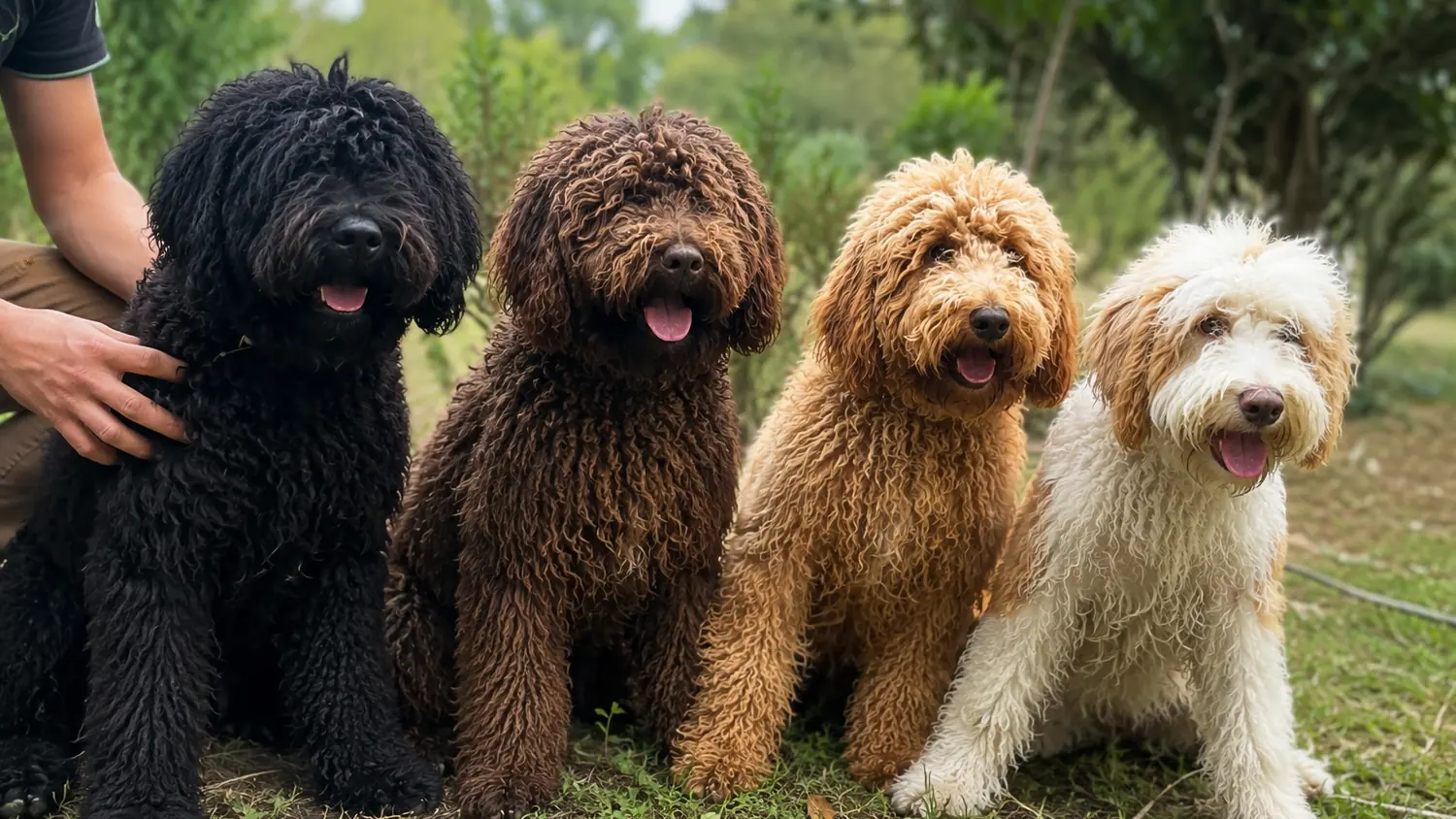
Selecting a breeding dog combines pedigree, breed characteristics, temperament, veterinary assessment and genetic information. All of ours come from lines of MDBA breeders in Australia, Canada and the United States. Working with lines documented over generations lets us know each dog's background better and plan with more information. We are members of the MDBA, breeder number 45027.
Every dog intended for breeding goes through our veterinary and genetic protocol before joining the programme: it takes the H639 panel by CombiBreed, developed specifically for the Australian Cobberdog, and we use that data to plan matings. For hereditary diseases where the mode of inheritance and the parents' results allow it, we avoid combinations that could produce offspring affected by the variant in question.
When you enquire about a litter, we explain the information available on its parents: ancestry, temperament observations and relevant test results. Our health and genetics page sets out how we use these records.
The mothers
The mothers set the rhythm of the programme. Between two litters each one gets a long recovery period, and we assess her physical and veterinary condition individually before considering a new pregnancy. In our programme those periods usually come to a year and a half or more, always adapted to the individual female. The mother's physical and emotional wellbeing is part of caring for the litter, from before the birth.
We have an ultrasound scanner for pregnancy monitoring and veterinary support available around the clock during births. Care and follow-up are adapted to each mother and litter.


The setting
Our puppies are raised in Spain. From around week four, each litter follows a gradual socialisation programme supervised by our ethology team. Sounds, surfaces, handling and car journeys are introduced according to the puppy’s age and response. Outdoor activities depend on conditions and veterinary advice, not a year-round timetable.
Around week seven our ethologist assesses each puppy's temperament individually. Together with what we know about each family, that assessment helps us propose the puppies that could suit a given home.
The calendar
Our puppies are not handed over before three months. We use that time for our socialisation programme, for veterinary follow-up and for working step by step on independence and adaptation to everyday situations. And you do not go through it blind: while you wait we send photos, videos and news at regular intervals.
Weeks 1 to 4
Time with the mother and littermates, age-appropriate handling and veterinary follow-up. Care is guided by each puppy’s development.
Weeks 4 to 7
The initial socialisation programme begins. Around week seven, the ethologist assesses each puppy’s temperament individually.
From week 8
Brief periods of independent rest and separation are introduced gradually, according to the puppy’s response. Feeding and weaning are managed alongside its development.
Month 3
Handovers may begin from three months, subject to veterinary assessment and destination requirements. Socialisation continues while the puppy is with us; there is no promise of sleeping alone through the night.
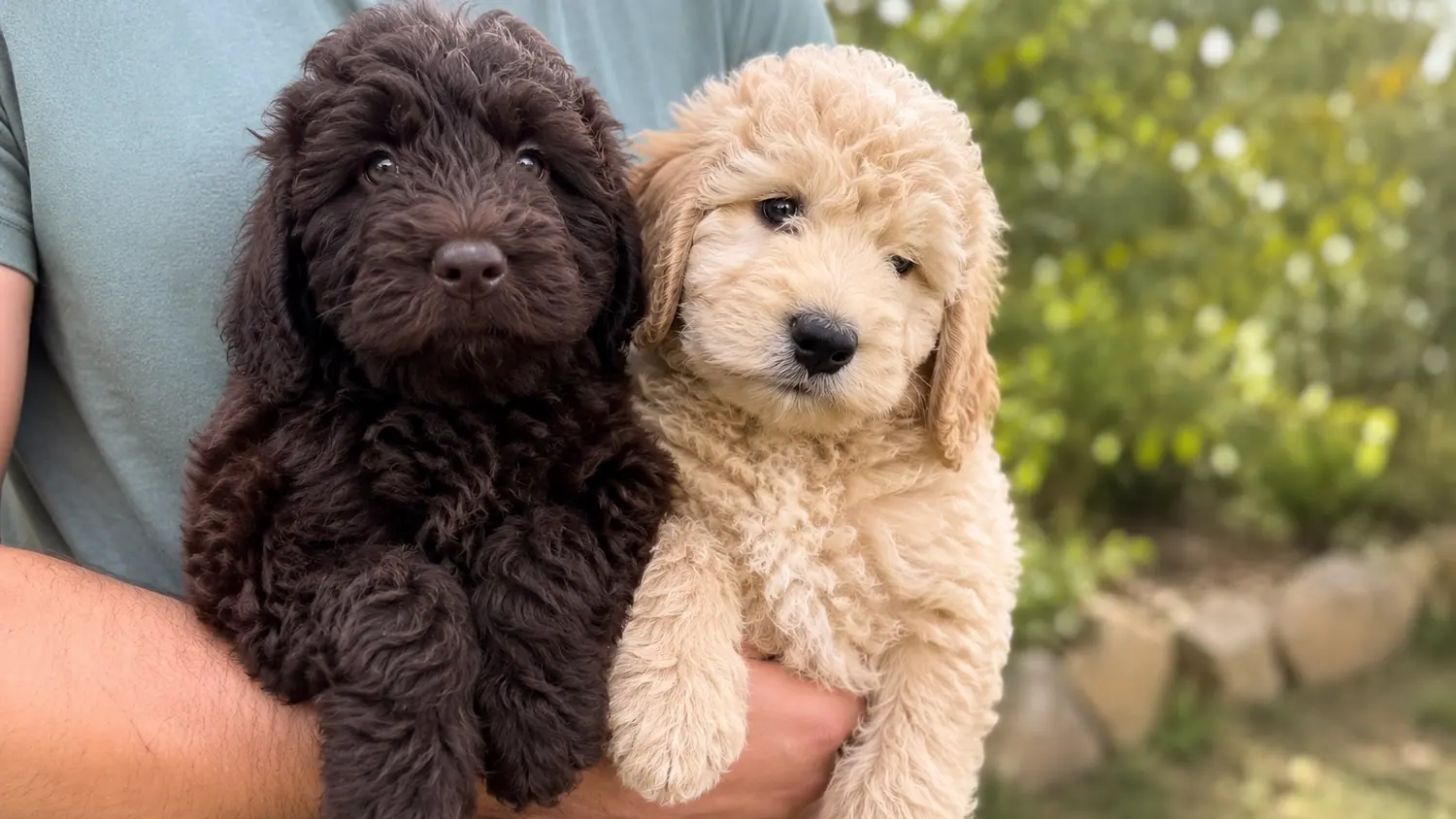
Plan a manageable routine and a safe resting area. Introduce time apart gradually rather than starting with hours alone. If the puppy shows distress, review the approach with your vet or a qualified behaviour professional. The AVSAB guidance supports reward-based training; our socialisation article explains what continues after handover.
Our position
We do not hand over neutered puppies and do not require neutering in our contract. This is our policy, not a judgement about another dog’s medical needs. The decision and timing should be discussed with the vet caring for your dog.
There is no universal age that is right for every dog. Health, development and living circumstances all matter. Our neutering article explains the distinction between our handover policy and individual veterinary advice.
The team
Veterinary care, daily handling, behaviour assessment and genetics contribute different information to the programme. These are the roles involved.
Follows the pregnancies, is reachable at any hour during births, sets the vaccination and deworming schedule and signs the check and the health certificate for every handover.
The everyday life of the litters: weights, meals, hygiene, first handling and the trained eye that notices when a puppy is "not quite itself today".
Designs the socialisation plan, runs the planned periods alone, assesses the puppies around week seven and proposes the match between puppy and family.
Reads the genetic tests, rules out known incompatible matings and plans the lines years ahead with all the data available.
We breed in Spain and do not present contacts abroad as local offices or representatives. To discuss a puppy or an international handover, contact our team directly. See International delivery for the process.
Let's talk
Ask us about the programme, the parents’ records or current availability on WhatsApp. The puppy page explains the next steps from the first enquiry to handover.