from 3 months
Puppy
Comes with our socialisation programme of the first months, and the training continues in your hands, with our support. That is the usual starting point; the page Puppies explains how it works.

Therapy and assistance
Temperament, genetics, socialisation and later training are different factors that come together in preparing a dog for therapy or assistance work. The breed can bring certain desirable traits, but not every puppy has the same profile, and no puppy can be considered suitable for a specific task on the strength of its breed alone. On this page we explain what the breed brings, what our programme offers and, just as clearly, what cannot be promised.
The foundation
An individual dog’s temperament is one factor in assessing a potential candidate. Health, responses to unfamiliar situations, learning and the demands of the intended role also matter. A friendly puppy is not automatically suited to therapy or assistance work.
The breed typically has a low-shedding coat, but this does not establish allergic tolerance or permission to enter a healthcare or educational setting. See Coat and allergies. Our initial socialisation programme provides a starting point; specialised work requires further assessment and training.
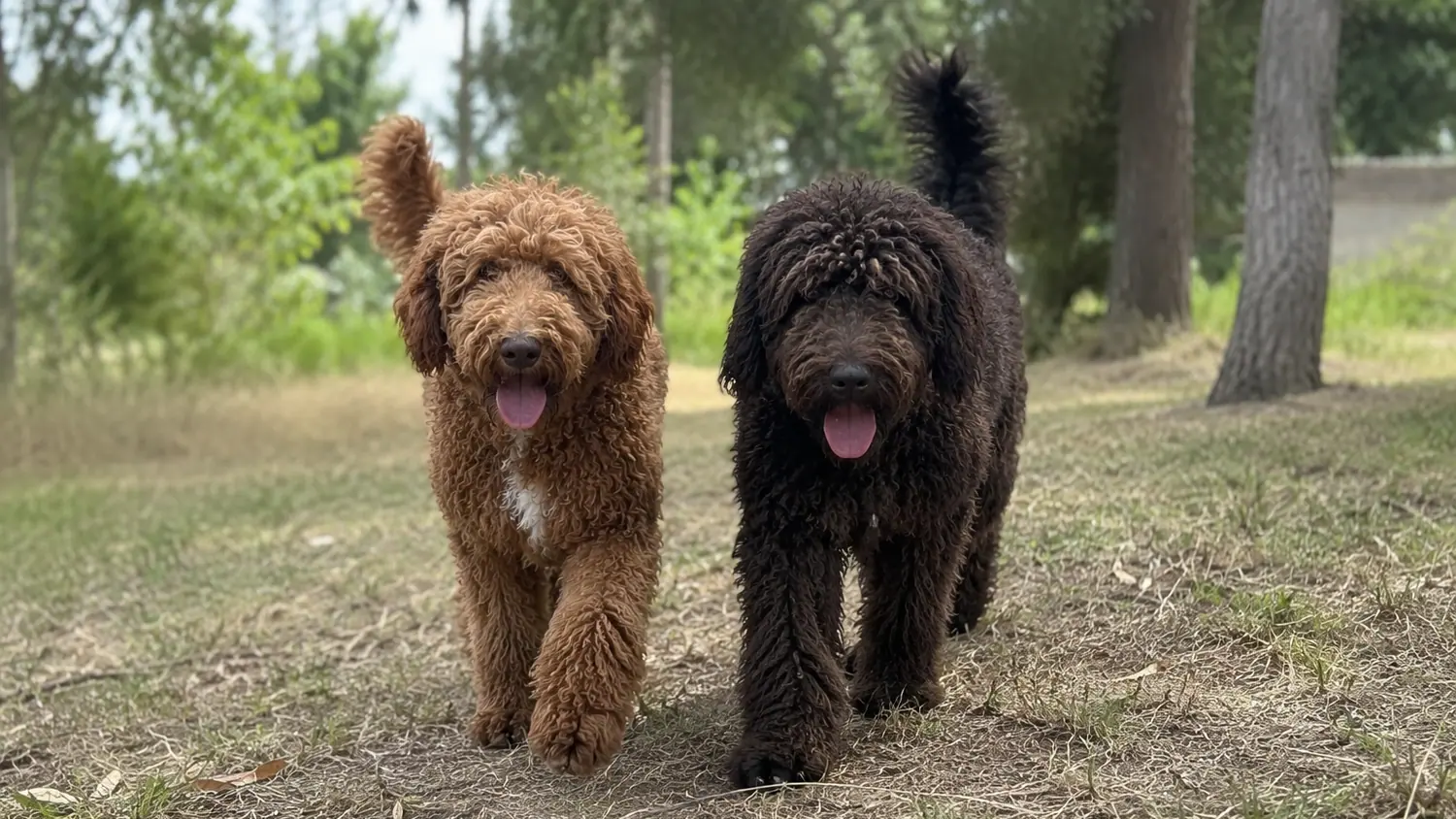
The terms
Before talking about dogs, the terms should be clear.
Our assessment and training levels do not confer assistance-dog status or public-access rights. We do not hand over a puppy as a certified working dog. Suitability remains subject to continued assessment and the requirements of the receiving programme and jurisdiction.
What we offer
from 3 months
Comes with our socialisation programme of the first months, and the training continues in your hands, with our support. That is the usual starting point; the page Puppies explains how it works.
5 to 6 months
The puppy stays with us for additional work on basic training. Its new family still needs time for settling, practice and ongoing care. A later handover does not remove those responsibilities.
6 months to 1 year
An additional period of more advanced training towards agreed goals. This is not a promise of qualification for therapy, assistance or medical-alert work by a particular age. A specialist programme should be involved before choosing a candidate for such a role.
These ages describe our programme options, not a guaranteed travel date or working-dog qualification. International handover remains subject to age, health and commercial movement requirements. See Price and reservation for the individual proposal.
How it is decided
1
Describe the intended role and country in general terms, and tell us whether a specialist programme is already involved. Do not send medical records through the contact form or WhatsApp.
2
Around week seven our ethologist assesses each puppy's temperament individually. That information helps us identify which puppies could fit the intended task better. In the blog we explain how that assessment is carried out.
3
We discuss whether our programme can contribute to the agreed goals and what further assessment or specialist involvement is needed. Training and handover timing remain subject to the individual dog and destination requirements.

Plainly
Within one litter different temperaments live side by side, and not every puppy has the profile that therapy or assistance work demands. That is why the proposal here starts from the ethologist's assessment, together with the family's wishes and circumstances. If we do not see a candidate in a litter that we consider suitable for a particular case, we recommend waiting for a later litter.
If a candidate is not suitable, continuing towards a working role may not be appropriate. The decision should reflect the dog’s welfare and the receiving programme’s assessment, rather than the expectation created by a breed name.
The next step
Tell us the intended role and destination without sharing sensitive medical information. We can explain our assessment and training options and discuss whether specialist input is needed before a puppy is selected.